Board games have been a staple of human entertainment for centuries, bridging generations and cultures. But what drives this enduring love for tabletop games? What psychological factors make us reach for a colorful board and a set of dice, again and again? Let’s explore the fascinating world of board games and their connection to human psychology.
1. The Joy of Social Interaction
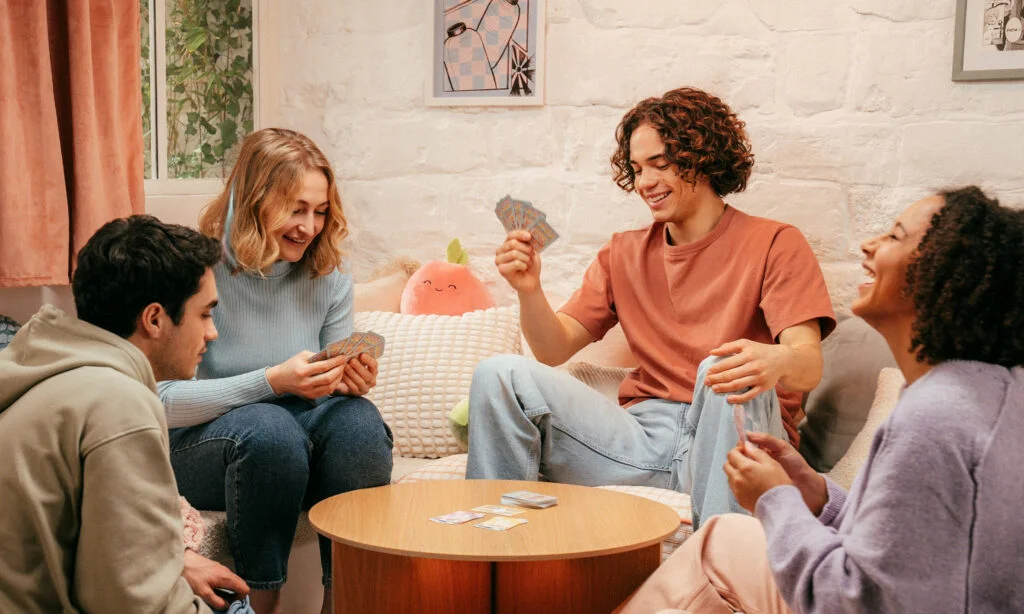
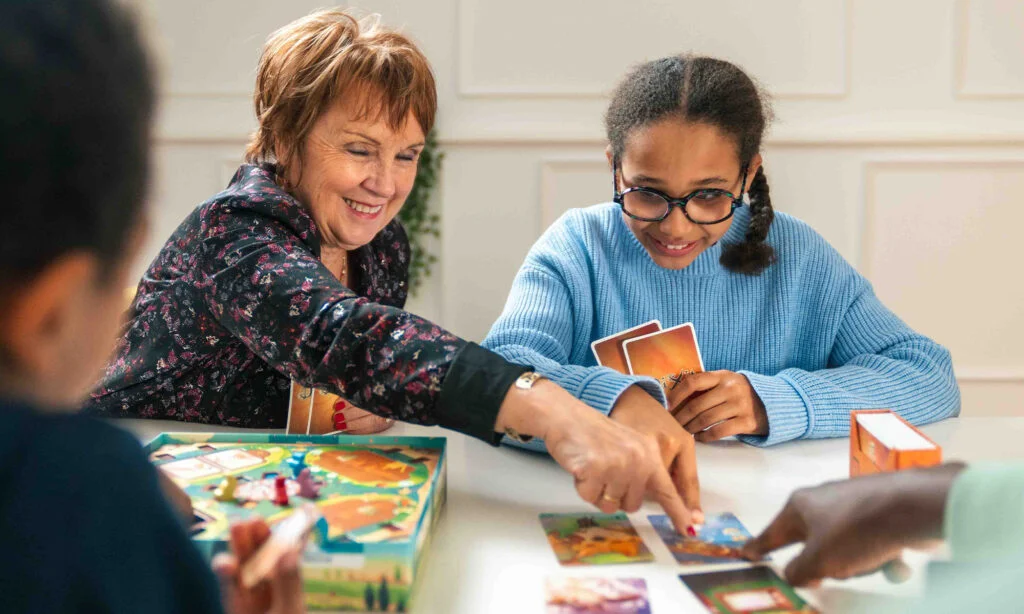
At their core, most board games are inherently social. Sitting around a table with friends or family fosters connections, encourages conversation, and builds bonds. These shared experiences resonate because:
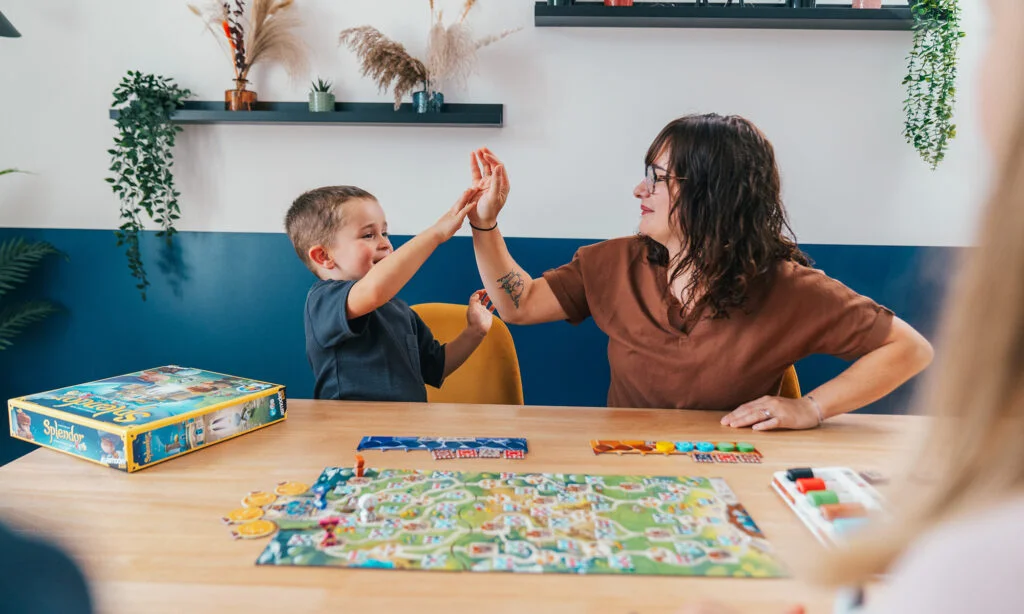
- Collaborative games create a sense of teamwork and unity. Cooperative games encourage players to solve challenges together, reducing competition and emphasizing group success.
- Competitive games ignite friendly rivalry, pushing us to sharpen our strategies while also learning how to manage wins and losses.
Human beings are deeply social creatures, and board games provide a structured way to connect with others, especially in today’s digital-heavy world where such face-to-face interaction can feel rare.
2. The Appeal of Strategy and Problem-Solving
Whether it’s a high-stakes chess match or a tactical game of CATAN, board games tap into our desire to solve problems and make complex decisions.
- Cognitive stimulation: Games require us to plan ahead, anticipate opponents’ moves, and weigh risks versus rewards. This mental exercise provides a satisfying sense of achievement when our strategies pay off.
- Safe risk-taking: Games allow players to take calculated risks in a non-threatening environment, sharpening decision-making skills without real-world consequences.
This need for strategy appeals to our brains’ problem-solving circuits, keeping us engaged and entertained.
3. The Role of Competition and Mastery
Board games offer a unique balance of skill and chance, giving players an arena to strive for mastery:
- Many games, like Ticket to Ride or Carcassonne, offer an easy-to-learn, hard-to-master design, ensuring players can improve over repeated plays.
- Even losing is a form of learning, as we reassess our strategies and adapt to new challenges.
Winning, on the other hand, provides a dopamine boost, rewarding effort and fueling our desire for mastery.
4. Escaping the Everyday
Games are a perfect tool for escapism. By transforming players into train tycoons, fantasy adventurers, or daring detectives, board games create immersive worlds where the stresses of everyday life fade into the background.
- Narrative-driven games, like Arkham Horror, are especially effective at pulling players into a story, appealing to our innate love of storytelling.
The act of stepping away from reality, even briefly, is restorative and helps players recharge emotionally.
5. The Satisfaction of Tangibility
In a world dominated by screens, the tactile nature of board games holds its own charm.
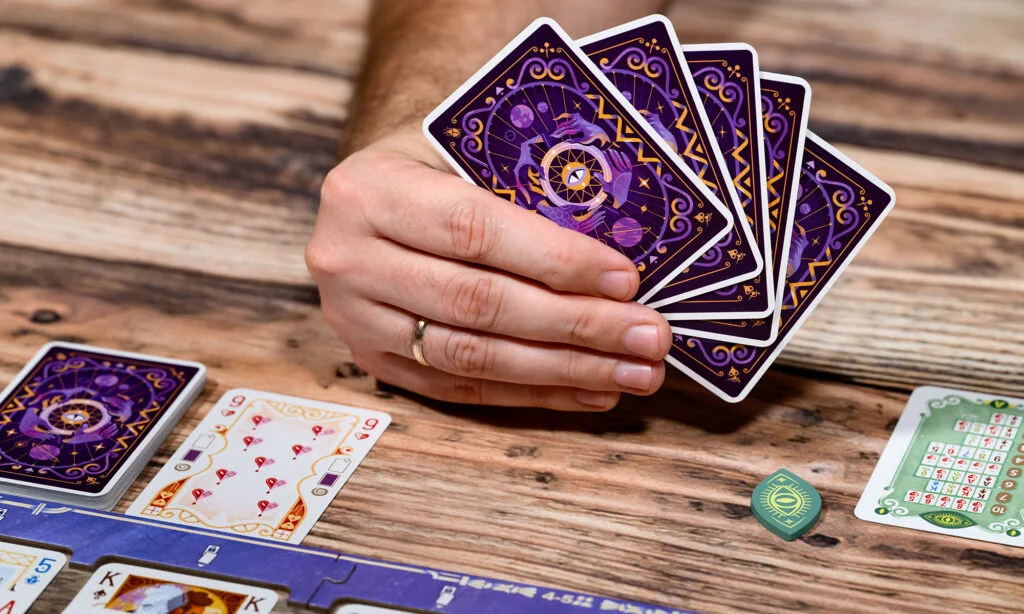
- Shuffling cards, rolling dice, or placing tokens activates sensory responses that are inherently pleasing.
- The physicality of moving pieces across a board feels more “real” and satisfying than digital environments.
This tangible aspect of board games also enhances immersion, making the experience more memorable.
6. The Psychology of Nostalgia
Many people associate board games with fond memories of childhood, family gatherings, or simpler times. Revisiting those games can evoke feelings of comfort and warmth, tapping into the powerful effect of nostalgia.
Classic games, like chess or checkers hold special meaning because of these personal connections, even as the industry continues to innovate with new designs and genres.
7. The Universal Appeal of Play
Finally, there’s the fundamental human need to play. Play fosters creativity, reduces stress, and boosts happiness. In adults, board games provide permission to embrace this playful part of ourselves, rekindling the joy of exploration and discovery.
Conclusion
The board game renaissance shows no signs of slowing down, and it’s easy to see why. These beloved pastimes appeal to our desires for connection, mastery, and fun, all wrapped up in tactile, beautifully designed packages. Whether you love strategic showdowns, cooperative adventures, or simple, laugh-out-loud party games, the psychology of play reminds us why we keep coming back to the table — to challenge our minds, connect with others, and, ultimately, enjoy the journey.
Isn’t it amazing how much a roll of the dice or the flip of a card can reveal about us? So, what are you playing next? 🎲